1. Safety and scope
The team explains what it can handle and which parts, like testing a site where drugs were made, need a different plan.
Harristown, IL · Macon County
Cleaning up after a loved one's drug use is hard enough. In Harristown, call (877) 812-4220 and let a cleanup team remove paraphernalia, clean up residue and take away what cannot be saved.
If anyone is in danger, call 911 first. For a suicide crisis, call or text 988.
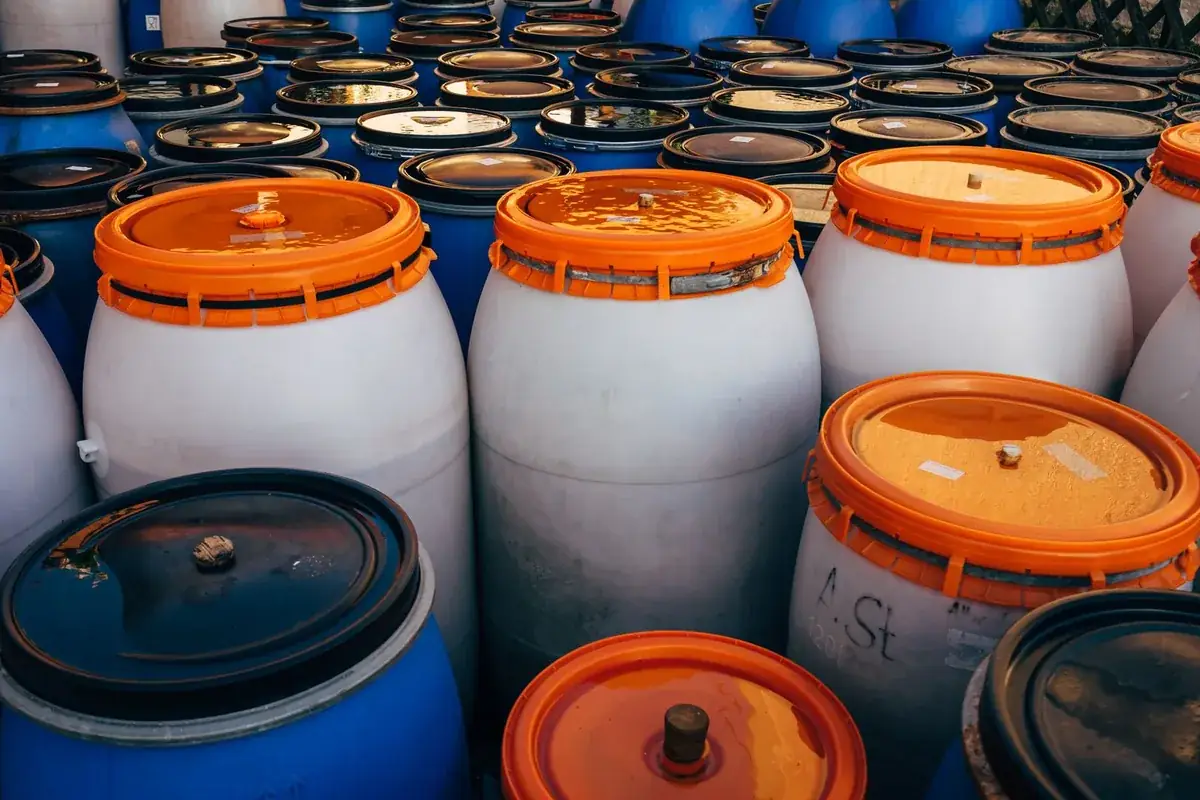
When items from drug use are left behind in a home or business, removal should be done with protective equipment. A cleanup team does the work so owners and families do not risk exposure.
Families in Harristown and Macon County who need help after a loved one's crisis can call Harristown Biohazard Cleanup Help. Crews clear the room calmly and quietly and can arrive in an unmarked vehicle if privacy matters to you.
A vacancy rate near 12% in Macon County means more empty houses and lots, which are common places for discarded items to be found. Tell the doctor where the exposure happened. Decatur Memorial Hospital, about 6 miles from Harristown, can evaluate people who may have been exposed.
What drug paraphernalia cleanup covers:
The team explains what it can handle and which parts, like testing a site where drugs were made, need a different plan.
Crews put on gloves, eye protection and respirators when needed, then search every room for sharps and other items.
Items are lifted with tools into labeled containers. Soft materials that cannot be cleaned are removed and bagged.
Surfaces are disinfected, odors are treated, and a last walk-through confirms the space is ready.
The cost of drug paraphernalia cleanup in Harristown, IL depends on the amount of material, how it is packed and how it is hauled.
Soft materials make a difference. Carpet, padding, mattresses and upholstery that took in residue or fluids may have to be removed and replaced.
| Type of job | Typical range |
|---|
Estimates only, not a quote. Sources: . Price drivers include amount of material, whether residue is present, surfaces affected, waste disposal. Call (877) 812-4220 to talk through the job.
No. This page explains how drug paraphernalia cleanup works. It is not medical, legal or insurance advice. For symptoms, contact a doctor or Poison Control, and for legal questions, ask an attorney.
Vehicles can hold syringes, residue and odor in seats, carpets and vents. Ask whether the team cleans vehicles and how soft materials are treated. Crews use the same protective gear and sealed containers as in a building.
Standard paraphernalia cleanup is about removal, cleaning and disinfection. Testing is a separate step, usually tied to a site where drugs were made. Ask the team and the local health department what testing, if any, applies to your property.
Crews wear protective gear, remove sharps and loose items, and then clean hard surfaces with EPA-registered disinfectants. Porous materials such as carpet, padding or upholstery that took in residue may be removed. The team can explain what applies to your space.
It can. Once soiled items are removed, a team can treat lingering odor in the air and on surfaces. Ask what methods the team uses and whether odor treatment is part of the plan or a separate step.
Do not touch, sweep or smell it, and do not try to clean it up first. Keep children and pets away. If anyone touched or swallowed it, call Poison Control, or 911 in an emergency. Then call a cleanup team to remove it safely.
Ask about discreet arrival in an unmarked vehicle if privacy matters.
Call (877) 812-4220